Hijama (Wet Cupping): The Prophetic Medicine Behind the Marks
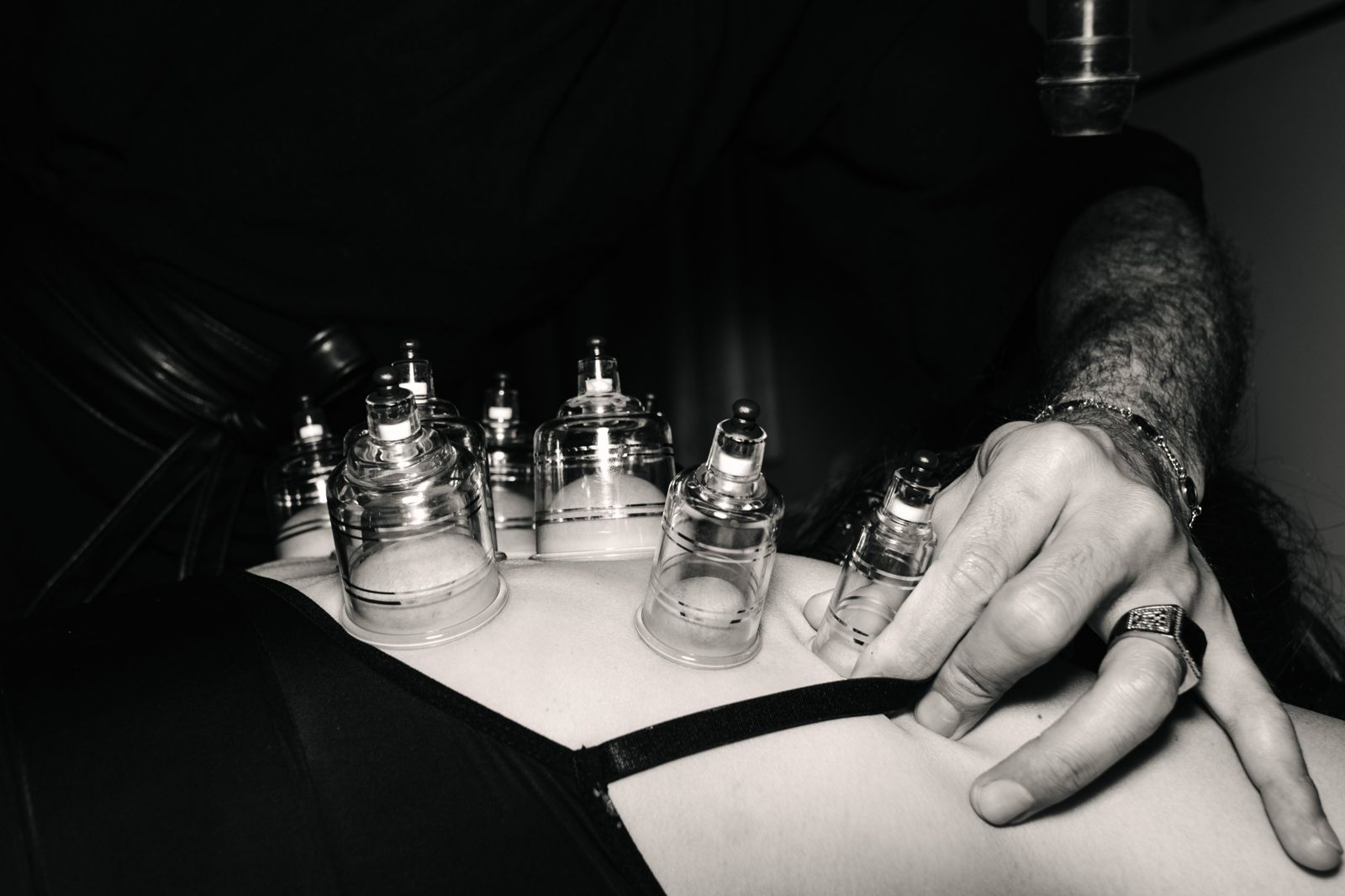
Most people have seen the round marks on an athlete's back and wondered what they are. Far fewer know they come from hijama, one of the oldest remedies in the Islamic medical tradition, and a practice far older than the modern gym.
Hijama is the Arabic word for cupping. Cups are placed on the skin and create suction that draws blood towards the surface. In wet cupping, the form most often called hijama, a few very shallow cuts are then made and the cups draw out a small amount of blood. It has been practised for well over a thousand years, and people still seek it out for tension, stiffness and the feeling of being worn down.
Here is where it comes from, how the tradition understands it, and what the research honestly says.
Where hijama comes from
Cupping appears in some of the oldest medical writing we have. The Ebers Papyrus from ancient Egypt, usually dated to around 1550 BCE, is often cited as an early reference, and physicians in the Greek tradition described it too. China and South Asia developed their own forms.
In the Islamic world, hijama holds a special place because of the Prophetic tradition. Hadith collections, including Sahih al-Bukhari and Sahih Muslim, record that the Prophet Muhammad ﷺ was cupped and spoke well of it as a remedy. Muslim physicians then built on that foundation. Ibn Sina (Avicenna) discusses cupping in his Canon of Medicine, and Ibn al-Qayyim writes about it at length in his work on Prophetic medicine.
For many Muslims, this is why hijama is more than a technique. It is a sunnah, a practice linked to the Prophet's example, and it is approached with care, intention and respect.
How the tradition understands it
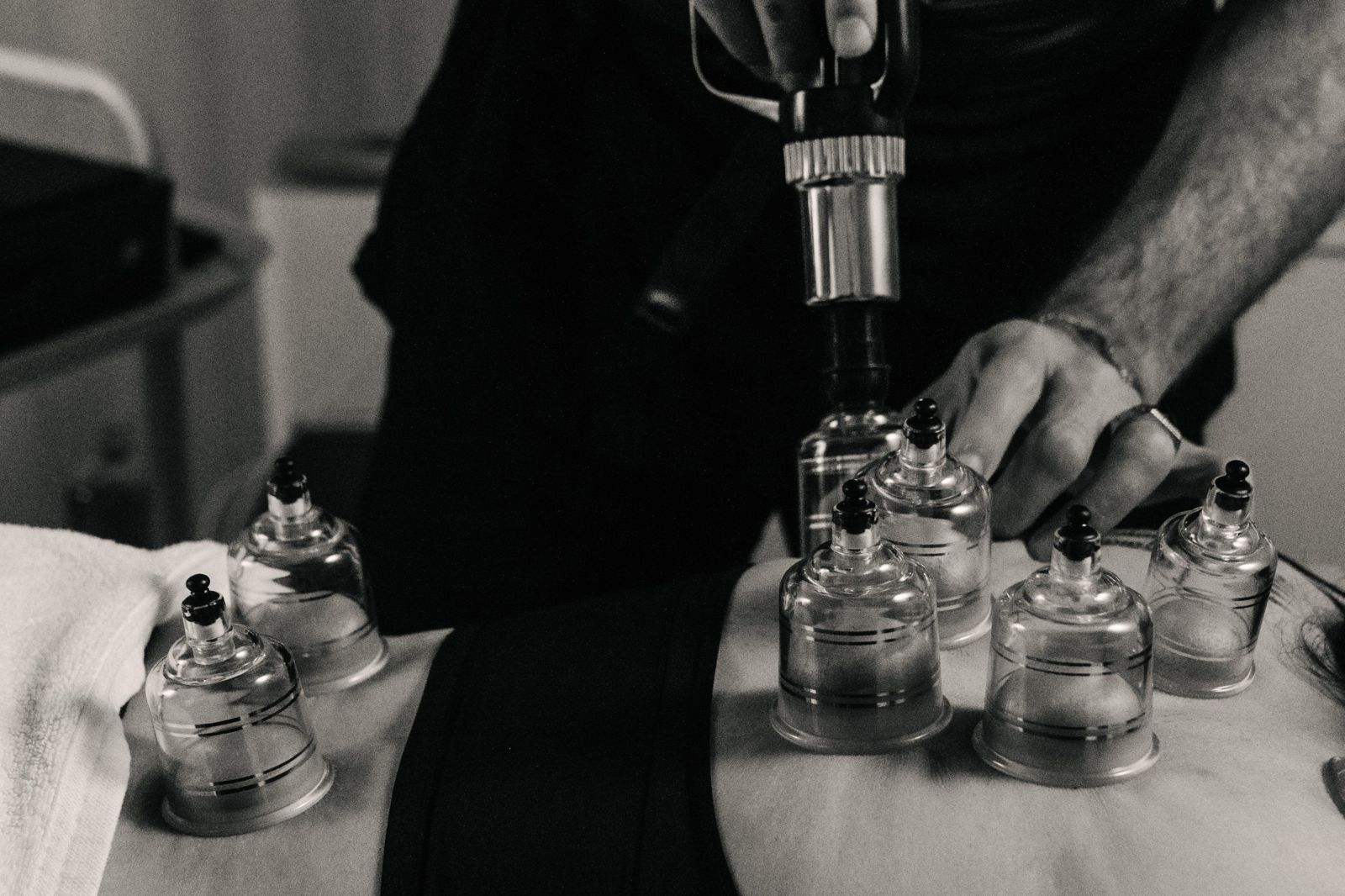
Classical physicians worked with a different map of the body from the one used in modern medicine. In that framework, the body can hold stagnation or excess that weighs on it, and hijama was used to draw it out from the surface. I share this as the traditional view, not as modern physiology. It explains why the practice was valued for so long, and why people describe it in terms of release and lightness.
Why hijama still holds its place
Hijama has outlasted empires, schools of medicine and every passing trend, and it has done so because people feel it. A session can leave the body lighter, the muscles looser and the mind quieter. That is why it is sought out for tension in the neck, shoulders and back, for heaviness, and for the worn-down feeling that rest alone does not fix.
Modern researchers have started to take notice. Cupping has been studied for neck and back pain in particular, and a number of reviews report relief. The science is still catching up with the tradition, but I have never needed a laboratory to tell me what I see in my sessions: when hijama is done properly, the body responds.
Wet and dry cupping
The two forms are often confused, so here is the simple difference:
Dry cupping: cups create suction on the skin with no cuts. It is used for muscle tension and leaves round marks that usually fade within days to a couple of weeks.
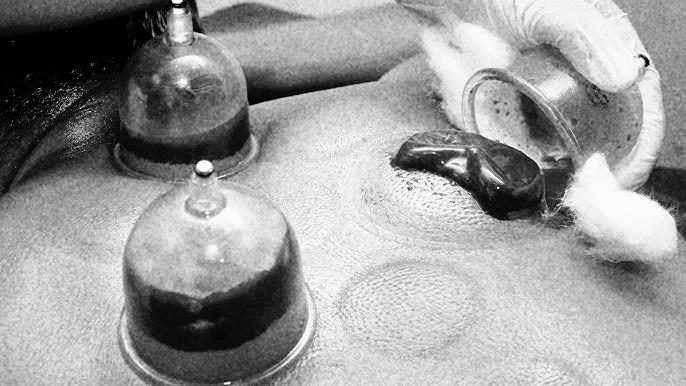
Wet cupping (hijama): suction first, then a few very shallow cuts, then the cups are placed again to draw out a small amount of blood.
Traditional timing is part of the practice too. Some hadith reports mention the 17th, 19th and 21st days of the lunar month as preferred days for hijama. Scholars differ on how strong those reports are, so some practitioners follow the dates closely and others work on any suitable day.
Preparing for hijama. Come rested and well hydrated. Eat lightly beforehand rather than arriving hungry or straight after a heavy meal, and wear something loose that is easy to move in. Give yourself a calm hour afterwards instead of rushing back into a busy day.
Aftercare: what the tradition advises
The body has just done something unusual, so the hours afterwards matter:
Rest and drink water. Keep the rest of the day easy.
Nourish the blood. Drink plenty of fluids and eat red foods such as beetroot, pomegranate and dates.
Keep the treated areas clean and dry. Do not scratch or pick at them.
Avoid intense exercise, saunas and very hot showers for the rest of the day.
Eat something light and warm, and notice how you feel over the next day or two.
Why hijama is close to my heart
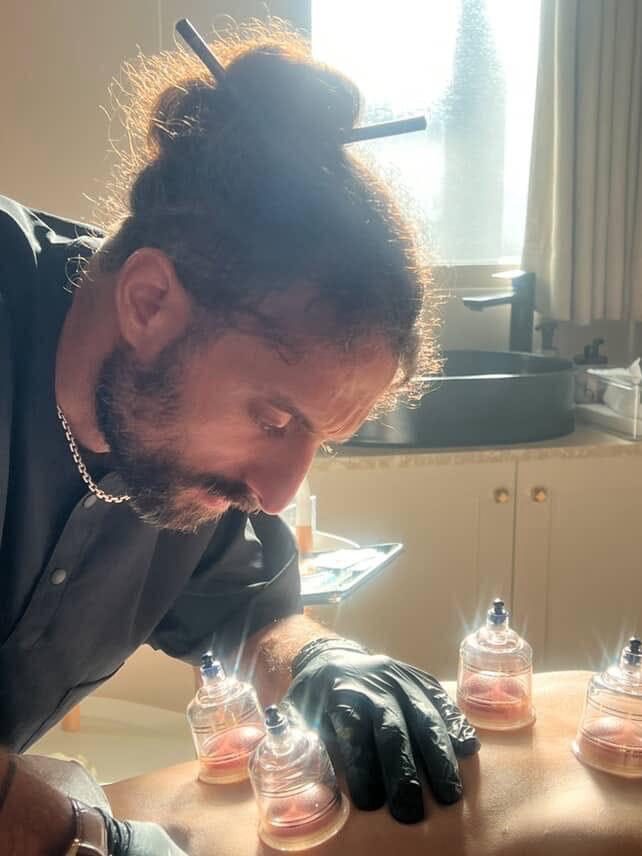
Of everything I do, hijama is the practice I hold closest. It is a sunnah, and I approach it with the reverence that it deserves: with intention, patience and a steady hand. When I place the cups and watch the skin respond, I am doing something that has been done in the same spirit for centuries, and I never take that lightly.
A practice this old deserves to be done properly. I use sterile single-use blades and gloves, and I dispose of sharps safely, so you can relax and let the work do its job.
People come to hijama when the body feels heavy, stuck or tired: tight shoulders, a stiff neck, an ache in the back that will not leave, a sense of being run down. Some come because it is part of their faith, some out of curiosity, and some because someone they trust told them to. Whatever brings you, I treat it the same way, slowly and with respect. If you are curious, you can read more on the Hijama page.
Frequently asked questions
What is the difference between hijama and cupping?
Does it hurt, and will it leave marks?
Is hijama only for Muslims?
How often can hijama be done?
What do people usually come to hijama for?
“What the body holds, the right hands can help it release.”